

Software as a Service (SaaS) has become one of the most popular ways businesses and individuals use software today. Instead of installing programs on a computer, SaaS allows users to access software through the internet. From project management tools to accounting platforms, SaaS solutions are now essential for modern work.
In this guide, you’ll learn what SaaS is, how it works, and why it has become so important for businesses worldwide.
What Is SaaS?
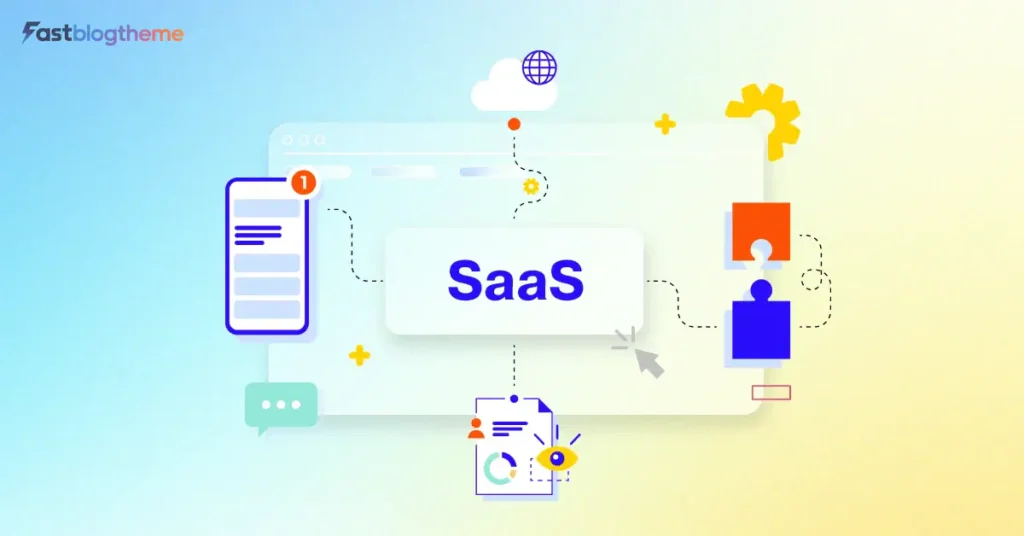
SaaS stands for Software as a Service. It is a cloud-based software delivery model where users access applications through a web browser instead of downloading or installing them.
The software is hosted and maintained by the provider, and users typically pay a subscription fee to use it.
Simple examples of SaaS include:
- Email platforms
- Online document editors
- Customer management systems
- Project collaboration tools
All you need is an internet connection to use them.

How SaaS Works
SaaS products are hosted on remote servers managed by the service provider. When users log in, they access the software through a web interface or app.
The provider handles:
- Maintenance
- Security updates
- Data storage
- Performance optimization
- Feature updates
This means users don’t need to worry about installation, upgrades, or technical maintenance.
Key Benefits of SaaS
1. Cost-Effective
SaaS usually works on a subscription model, so businesses avoid large upfront software costs. You pay only for what you use.
2. Easy Access Anywhere
Since SaaS runs online, users can access it from any device, anywhere in the world.
3. Automatic Updates
No need to manually install updates. New features and improvements are added automatically.
4. Scalability
Businesses can easily upgrade or downgrade plans depending on their needs.
5. Collaboration Made Simple
Teams can work together in real time using shared dashboards and cloud data.
SaaS vs Traditional Software
| Feature | SaaS | Traditional Software |
|---|---|---|
| Installation | Not required | Required |
| Updates | Automatic | Manual |
| Access | Online anywhere | Limited to device |
| Cost | Subscription | One-time purchase |
| Maintenance | Provider handles | User handles |
Who Uses SaaS?
SaaS is used by:
- Startups
- Small businesses
- Large enterprises
- Freelancers
- Remote teams
- Educational institutions
Basically, anyone who wants flexible and accessible software.
Is SaaS Secure?
Most SaaS providers invest heavily in security, including:
- Data encryption
- Secure servers
- Regular backups
- Access controls
However, users should still follow best practices like strong passwords and permission management.
The Future of SaaS
The SaaS industry continues to grow rapidly. Businesses prefer flexible, cloud-based tools that support remote work and automation.
Future trends include:
- AI-powered SaaS tools
- Industry-specific solutions
- Deeper integrations
- Advanced data analytics
SaaS is expected to dominate how software is delivered for many years to come.
Final Thoughts
SaaS has changed the way people use software by making it more accessible, affordable, and scalable. Whether you run a business or work independently, SaaS solutions help streamline tasks and improve productivity.
If you’re looking for flexibility, convenience, and continuous innovation, SaaS is the future of software.