
A landmark maternity review has revealed that more than 500 mothers and infants suffered preventable harm or died due to deep-seated failures at a “toxic” hospital trust. Led by senior midwife Donna Ockenden, the inquiry—the largest of its kind in the history of the NHS—determined that leadership at Nottingham University Hospitals (NUH) NHS Trust had been aware of severe problems within its maternity department for years but failed to implement necessary changes.
Upon the release of the report on Wednesday, it was highlighted that altered care could have potentially changed the outcome for 260 of the infants who either died or sustained injuries. Donna Ockenden emphasized the gravity of these findings, stating that the report illustrates how a failed system impacts lives, futures, and families. The review, which began in 2022, drew upon input from approximately 2,500 families and over 800 staff members, though Ockenden noted there were limitations in her findings as certain senior leaders refused to participate.
While 66 former and current senior staff were contacted by the trust’s chief executive to assist, only 37 came forward, and 35 were ultimately interviewed. Experts involved in the review concluded that 520 cases—comprising 444 maternity cases and 76 neonatal cases examined up to May 2025—involved potentially avoidable outcomes. Each of these cases was categorized as having significant or major concerns regarding care standards, with grade two indicating sub-optimal care that may have altered the outcome, and grade three indicating that different management would reasonably have been expected to improve results.
In response to the lack of cooperation from some management figures, the government announced it would expand the scope of Martha’s Rule to bolster safety and accountability. Furthermore, new measures are being proposed to compel past and present NHS staff to provide evidence for future reviews, with potential penalties of up to two years in prison for non-compliance, although the enforcement mechanisms remain unclear.
Ockenden, who presented her findings at the Crowne Plaza in Nottingham, noted that many of the identified issues had been known at the trust since at least 2010. These included chronic staffing shortages, the inability of personnel to complete essential training, and a persistent refusal to listen to or believe the concerns of mothers and fathers. She also documented instances of “cruel” treatment, where women were told to “pull themselves together” or wait their turn while in labor, and noted that consent was frequently ignored.
The report also detailed severe failures in post-death care, including cases where babies were treated without dignity, such as an incident in 2019 where a baby was inadvertently disposed of as clinical waste after a post-mortem, and a later incident involving the release of the wrong baby to a funeral director. While Ockenden noted that the current service is not what it once was, she stressed that it has not yet reached the standard required. She urged for collective, sustained action to ensure these tragedies are never repeated.
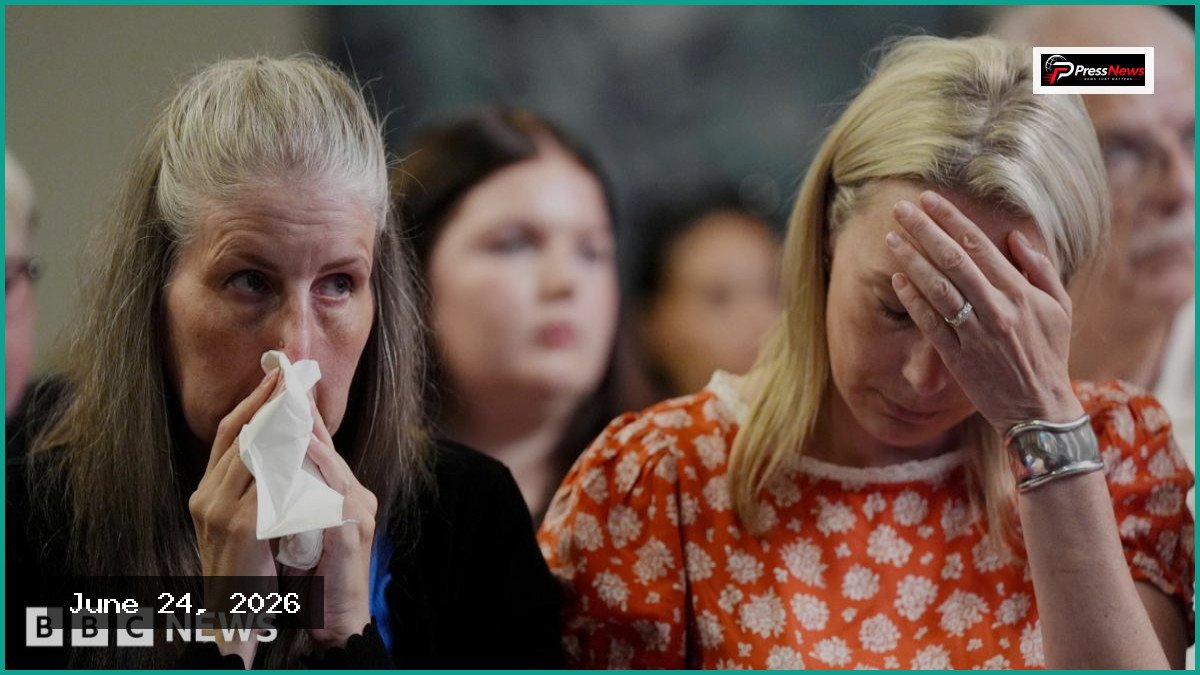
Families affected by the scandal, including Dr. Jack Hawkins and Sarah Hawkins, expressed that the findings must be handled with the highest level of seriousness. Having lost their daughter Harriet in 2016, the couple spoke of their experience with a cover-up and their fight for the truth. Health Secretary James Murray described the revelations as “chilling” and “horrific,” stating that no options are off the table regarding further accountability. In a public response, NUH chairman Nick Carver and chief executive Anthony May offered an unreserved apology to all families affected, acknowledging that trust must be earned through future actions rather than words.