
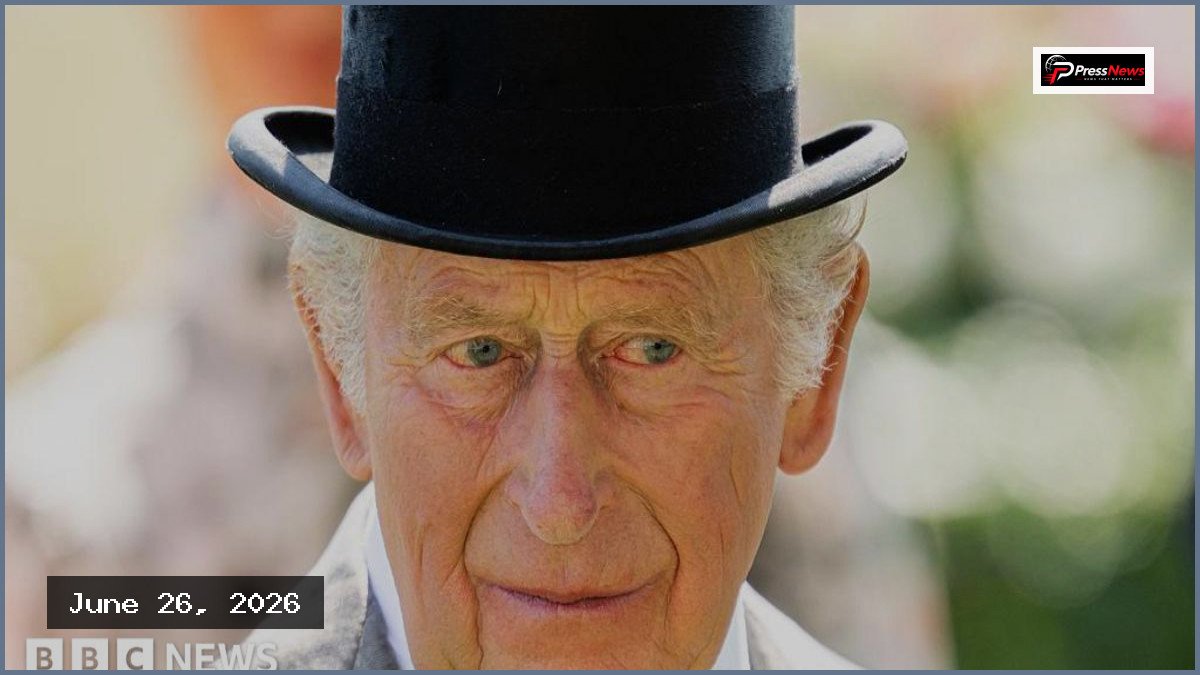
King Charles has become the first British monarch in modern times to publicly disclose his tax contributions, revealing he paid £12.9m in tax for the 2024-2025 financial year. This significant payment positions the King among the top 100 taxpayers in the United Kingdom. Meanwhile, official royal reports indicate that the Prince of Wales paid £7.76m in income and capital gains tax during the same period. Both figures were released voluntarily by their respective offices in an effort to enhance transparency and promote a better understanding of royal accountability.
The accounts also provided comparative figures for the previous year, showing the King paid £11.7m in 2023-24, while Prince William paid £8.34m. Since the King’s accession in 2022 and William’s transition to the title of Prince of Wales, the pair has collectively paid over £50m to HM Revenue and Customs. While specific details on how these figures were calculated remain private, the King’s tax liability is primarily driven by income from the Duchy of Lancaster, a vast portfolio of investments and land. Similarly, Prince William’s tax is paid on the net surplus from the Duchy of Cornwall, which is independently audited to verify appropriate deductions.
Regarding residential plans, it was confirmed that the King and Queen Camilla will maintain their residence at Clarence House rather than relocating to Buckingham Palace. This decision aims to facilitate greater public access to the palace once major refurbishments, costing nearly £370m, conclude in March next year. It will mark the first time a monarch has opted not to live at Buckingham Palace since the reign of Queen Victoria.
The annual royal report also addressed the Sovereign Grant, which funds official household costs and royal engagements. The grant is set to rise to just under £100m for the 2027-28 period. This funding, intended for building maintenance and operational expenses, is determined by Royal Trustees, including the Prime Minister and the Chancellor. Officials emphasized that this grant does not provide personal income to family members. Additionally, Prince William announced he will no longer personally benefit from the £1.5m annual rent linked to the abandoned Dartmoor Prison, directing those funds instead toward the local community.
Other details revealed in the accounts included travel costs, such as the £130,000 expense for Prince William’s visit to Saudi Arabia and the £126,946 cost for the King’s state visit to Italy. Furthermore, the Crown Estate saw its operating profits fall to £1.2bn compared to the previous year’s £1.4bn, a decrease largely attributed to the stabilization of fees related to offshore wind energy projects. While critics like Norman Baker argue for greater scrutiny of royal spending, the Palace maintains that all expenditures are subject to rigorous value-for-money standards and independent audits.


