The United States carried out military strikes against Iran on Friday, responding to a drone attack that targeted a cargo ship in the Strait of Hormuz just one day prior. This operation represents a significant challenge to an interim understanding established only a week ago, in which both nations agreed to work toward ending their months-long war and reopening the vital maritime waterway. President Donald Trump confirmed that the drone incident constituted a breach of the ceasefire. Prior to the U.S. response, Trump told reporters regarding a potential reaction, “You’ll find out.” U.S. Central Command later confirmed that its forces struck missile and drone facilities along with coastal radar sites within Iran.
Speaking from the White House, Trump expressed frustration over the incident, noting that the Iranians took a shot, and actually four of them. When questioned about how this action aligned with his previous claims that diplomatic talks with Tehran were progressing well, Trump remarked that the Iranians are “a little bit different” before abruptly ending the briefing. Ebrahim Azizi, the leader of the Iranian parliament’s national security commission, responded on social media by asserting that the Strait of Hormuz is governed by Iran, telling the U.S. to “respect the rules” and not to “mistake control for escalation.” Azizi framed the situation as “ceasefire management” rather than a violation. Conversely, Vice President JD Vance stated on social media that Iran should “pick up the phone” if there are disagreements, adding that “violence will be met with violence.”
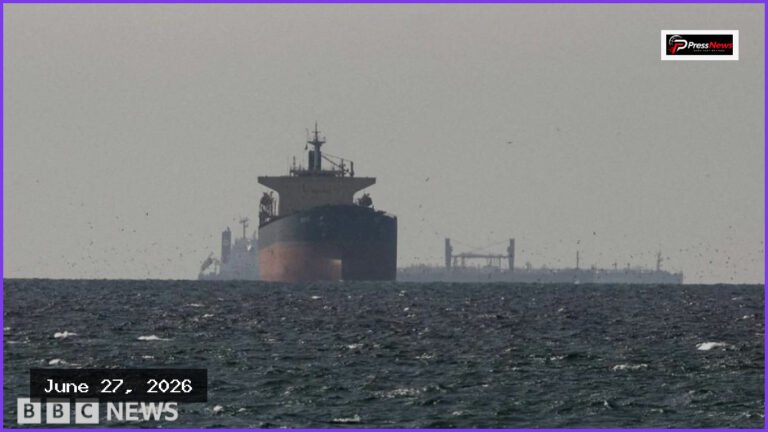
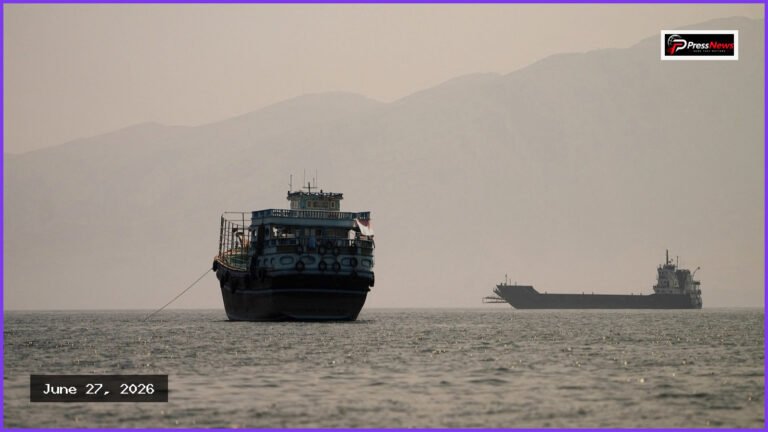
A U.S. official confirmed the strikes concluded roughly an hour after Central Command announced the operation. The tension follows a report from the British military on Thursday that a container ship was hit by a projectile off the coast of Oman, occurring hours after Iran warned vessels to stop using the route. The United Kingdom Maritime Trade Operations center confirmed no injuries were reported. This incident complicates U.N.-led efforts to move stranded ships out of the strait. Arsenio Dominguez, secretary-general of the International Maritime Organization, stated the evacuations are halted until safety guarantees are provided. Previously, about 115 ships moved out of the area, leaving approximately 500 still waiting.
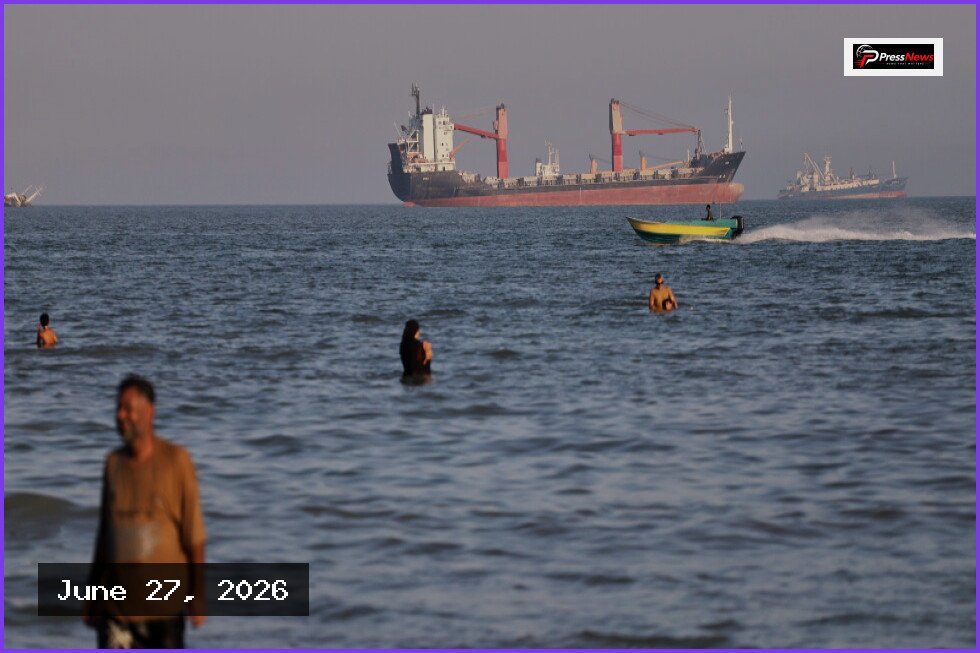
The U.S. and Iran are currently negotiating terms under an interim deal that gives them 60 days to work out details, including the movement of ships and the future of Iran’s enriched uranium stockpile. Shipping analysts noted the drone strike dampened confidence in the region. Marine data firm Windward reported that while the strait remains operationally open, recording 43 transits after the incident, the “pace of normalization has slowed.” Before the strike, 78 vessels had transited on Wednesday, the highest number since the war began, though still below pre-war averages of 130 or more per day. Lloyd’s List Intelligence reported that at least two tankers reversed course after Iran insisted vessels use only Tehran-approved routes, while more than two dozen ships were still using the southern route following the attack. Meanwhile, separate diplomatic progress was reported by ambassadors from Israel and Lebanon regarding a framework for peace, which Prime Minister Benjamin Netanyahu hailed as a “great achievement” while noting Israel would remain in a security zone in southern Lebanon until Hezbollah is disarmed.