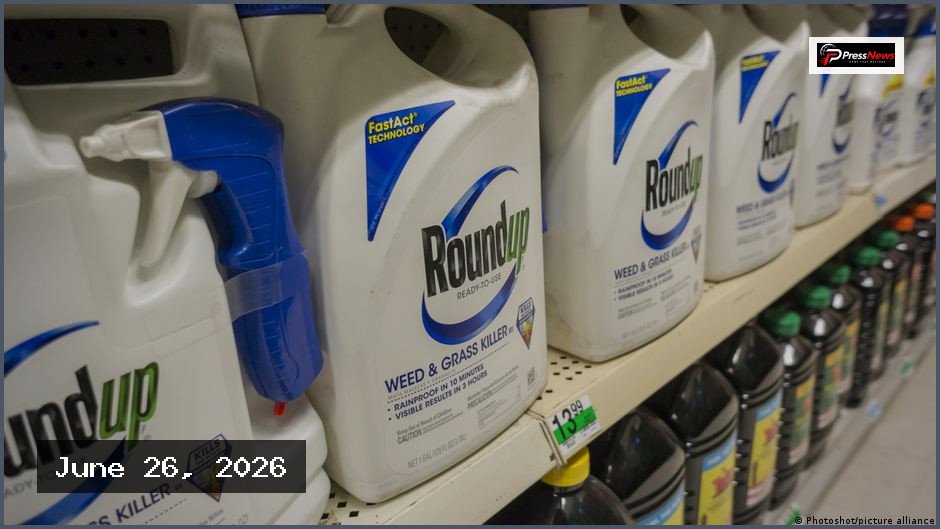
Bayer continues to face a massive wave of litigation concerning its glyphosate-based herbicide, Roundup, with plaintiffs alleging that the product is linked to cancer, specifically non-Hodgkin lymphoma. The German agrochemical giant inherited these legal challenges following its 2018 acquisition of Monsanto, the original manufacturer of the weedkiller. Farmers, landscapers, and gardeners in the United States maintain that the manufacturer was aware of potential health risks but failed to provide adequate safety warnings on product labels.
Data from the Lawsuit Information Center indicates that Bayer has already disbursed approximately $11 billion (€9.65 billion) to settle roughly 100,000 legal claims, while 61,000 to 65,000 cases remain active. The company has consistently relied on decades of scientific research and regulatory findings to support its position that glyphosate is safe for use and does not induce cancer.
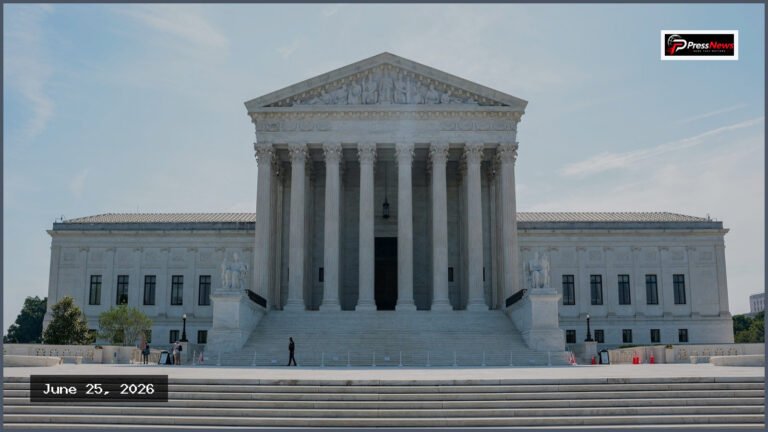
In a significant development on Thursday, the US Supreme Court ruled 7-2 in favor of Bayer, determining that claimants cannot pursue the company in state courts for failing to include cancer warnings on Roundup labels. The justices concluded that since federal regulators do not mandate such a warning, individual states lack the authority to impose one. This case originated from a gardener named John Durnell of St. Louis, Missouri, who had previously been awarded $1.25 million in damages after linking his cancer diagnosis to the product.
The Supreme Court established that federal law governing pesticides takes precedence. This is particularly relevant because the US Environmental Protection Agency (EPA) previously stated in 2019 that incorporating a cancer warning on Roundup would be considered misleading. Bayer, headquartered in Leverkusen, Germany, argued that it should not face legal repercussions for adhering to federal guidelines. In a formal statement, Bayer emphasized that the ruling confirms the EPA’s safety assessments as the standard across the nation.
While this decision addresses claims related to a lack of warning, other legal challenges remain, including allegations of negligence, misleading marketing, and the sale of defective products. Bayer is expected to utilize this Supreme Court precedent to push for the dismissal of these remaining suits. The company has already proposed a $7.25 billion settlement to address existing and future claims, with CEO Bill Anderson noting that the litigation has severely impacted public trust and corporate costs.
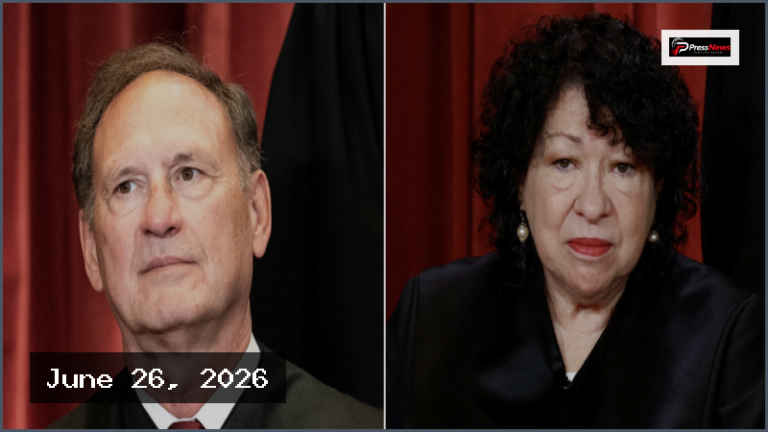
Bayer’s share price surged by more than 18% following the announcement, signaling significant relief among investors. However, the decision drew sharp criticism from Supreme Court Justices Ketanji Brown Jackson and Neil Gorsuch, who dissented, arguing that the ruling ignores the consensus of previous state and federal courts. Public health advocates and legal representatives for victims have also expressed concern, describing the decision as a substantial barrier to achieving justice and compensation for those affected by the pesticide.