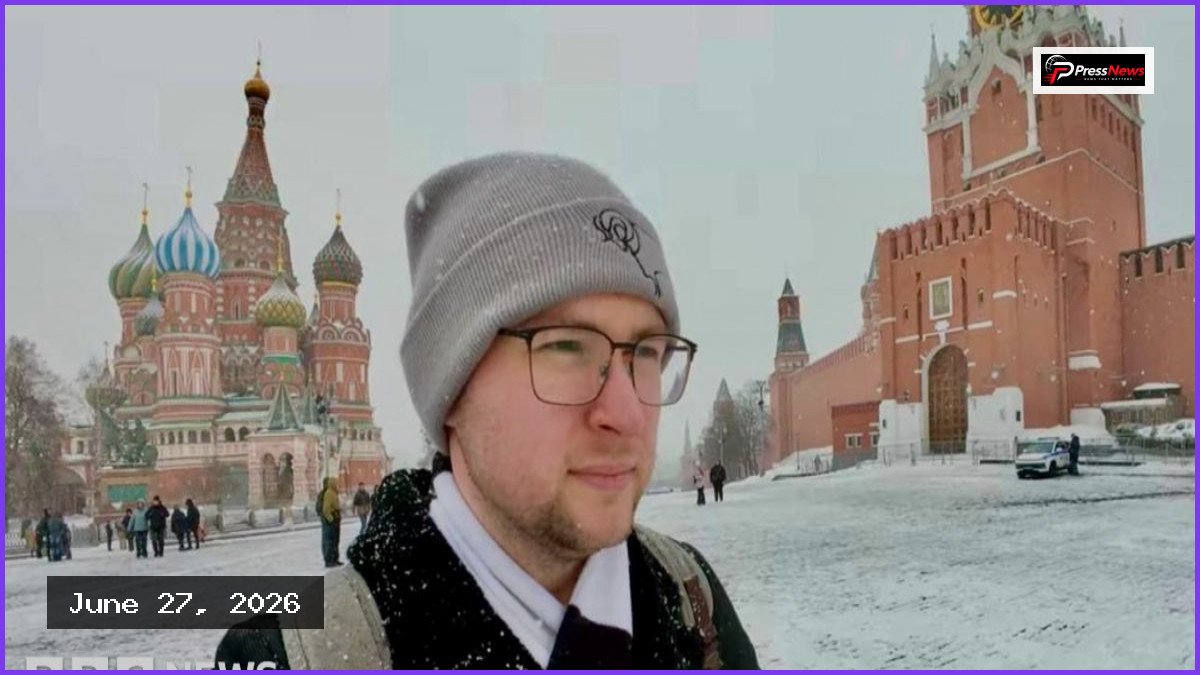
When Leo Hare relocated from Texas to Russia in late 2023 following a grant of asylum, he believed he was securing a better future for his three children. He quickly adapted to his new environment, participating in local farm activities and creating digital content about his experiences. A devout Christian, Hare had become disillusioned with political polarization, genetically modified foods, and the rise of the LGBTQ movement in the United States. He viewed Russia, which aggressively promotes its image as a society anchored in faith and traditional family values, as a compelling alternative.
Hare is part of a small migration trend that has seen a few thousand people from countries including the UK, Canada, the US, and Europe move to Russia. This group’s perspective often contrasts sharply with the international view of a country facing severe sanctions, restricted civil liberties, and the ongoing war in Ukraine. A key catalyst for this movement is the Shared Values visa, colloquially known as the “anti-woke” visa, introduced by President Vladimir Putin in 2024. This program allows citizens from 47 “unfriendly” nations to apply for three-year temporary residency without needing to pass standard history or language exams, provided they reject the “destructive neoliberal ideology” of their home countries.
As of spring 2026, Russia claims nearly 3,400 people have applied through this scheme, though these figures remain difficult to verify. The program reflects the Kremlin’s 2022 decree aimed at safeguarding traditional family structures against Western influence. Despite the promotional efforts of relocation agencies and influencers, the visa does not offer financial or housing assistance; applicants must cover a 1,600 rouble fee and undergo background checks. Ilja Belobragin, a partner at Move To Russia, notes that many clients feel alienated by the changing social landscape in their home countries.
For others, like Philip Hutchinson, a former British Conservative Party candidate now living in Moscow, the motivation is personal rather than political. Hutchinson, who assists other Westerners in the relocation process, avoids geopolitical discussions, focusing instead on living a quiet family life. He maintains that helping others navigate the visa process is not an inherently political act.
The reality for those who move can be complicated. Hare, who initially served as a visible advocate for the policy, experienced significant personal hardships, including being defrauded of 5 million roubles shortly after his arrival. He later found himself separated from his wife, while his older children returned to the US. While he still appreciates the kindness of individual Russians, he has grown concerned about the nation’s economic conditions and the restrictions on information. Reflecting on his journey, Hare acknowledges that while he remains committed to staying, he now misses the fundamental freedoms of his home country.
Other migrants, such as Ben from Derby, who moved to Russia in 2023 for a relationship, offer a more tempered view. Living near the Ukrainian border in Kursk, Ben rejects the characterization of Russia as a conservative utopia, citing high divorce rates and the widespread acceptance of abortion. While he appreciates the day-to-day safety he feels, he warns against the agenda-driven narratives promoted by some Western influencers. Nearly two years after its launch, the experiment in attracting ideological migrants remains limited in scale, serving as a pathway for those seeking a change of direction, whether for love, faith, or ideological reasons.