U.S. Central Command announced on June 26 that its military forces executed targeted strikes against Iran, describing the operation as a robust response to Tehran’s offensive action against a commercial vessel one day earlier in the Strait of Hormuz. American aircraft successfully hit various Iranian missile and drone storage facilities, as well as several coastal radar installations.
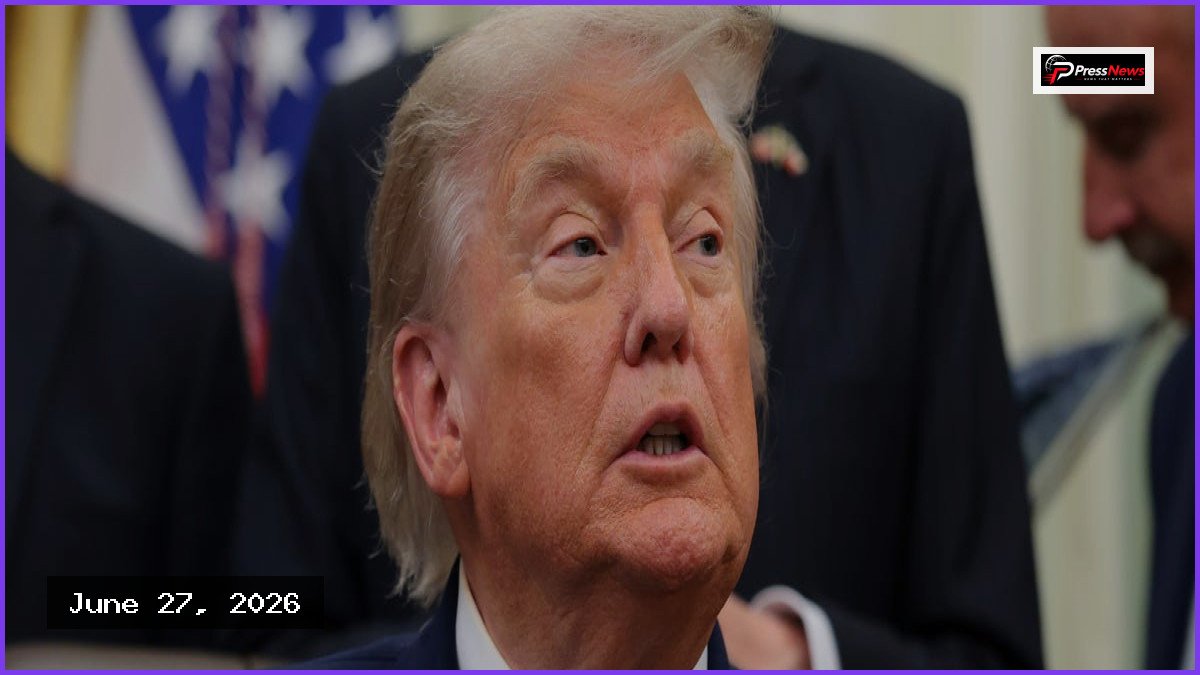
The U.S. military operation was triggered by an Iranian drone strike on June 25 that targeted the M/V Ever Lovely, a cargo ship flying the Singapore flag. President Donald Trump, speaking from the Oval Office, condemned the move as a blatant breach of the existing ceasefire meant to facilitate ongoing peace negotiations. Trump noted that Iran had deployed at least four attack drones toward the vessel; while U.S. forces managed to intercept and destroy three of them, the fourth reached the ship. Although the cargo carrier sustained damage, it was able to continue its journey.
Prior to the U.S. counterstrike, President Trump emphasized his frustration, stating that Iran should not be taking such actions against ships. Referring to the recent peace pact signed by him and Iranian President Masoud Pezeshkian on June 18, which aimed to end the conflict on all fronts and reopen the Strait of Hormuz, Trump labeled the drone attack a foolish violation of their ceasefire agreement.
Following the U.S. strikes, reports from Iranian state media indicated that a projectile impacted an area near a pier located in Sirik, southern Iran. In response to the military action, the Islamic Revolutionary Guard Corps issued a statement through state television, warning that any further U.S. attacks would be met with a swift and decisive reaction.
The broader conflict began on February 28 with a joint bombing campaign initiated by the United States and Israel against Iran. The ensuing violence has caused thousands of deaths, including 13 American service members, and severely impacted the global economy. Although a ceasefire had been largely maintained since April as Vice President JD Vance and other U.S. officials worked toward a comprehensive peace deal, the recent friction stems from disagreements over maritime tolls. Iran’s Deputy Foreign Minister Kazem Gharibabadi stated on June 26 that safe passage in the Strait of Hormuz cannot be guaranteed without taking Iran’s role as a coastal state into account, specifically rejecting recent U.S.-led international statements against ship tolls.