
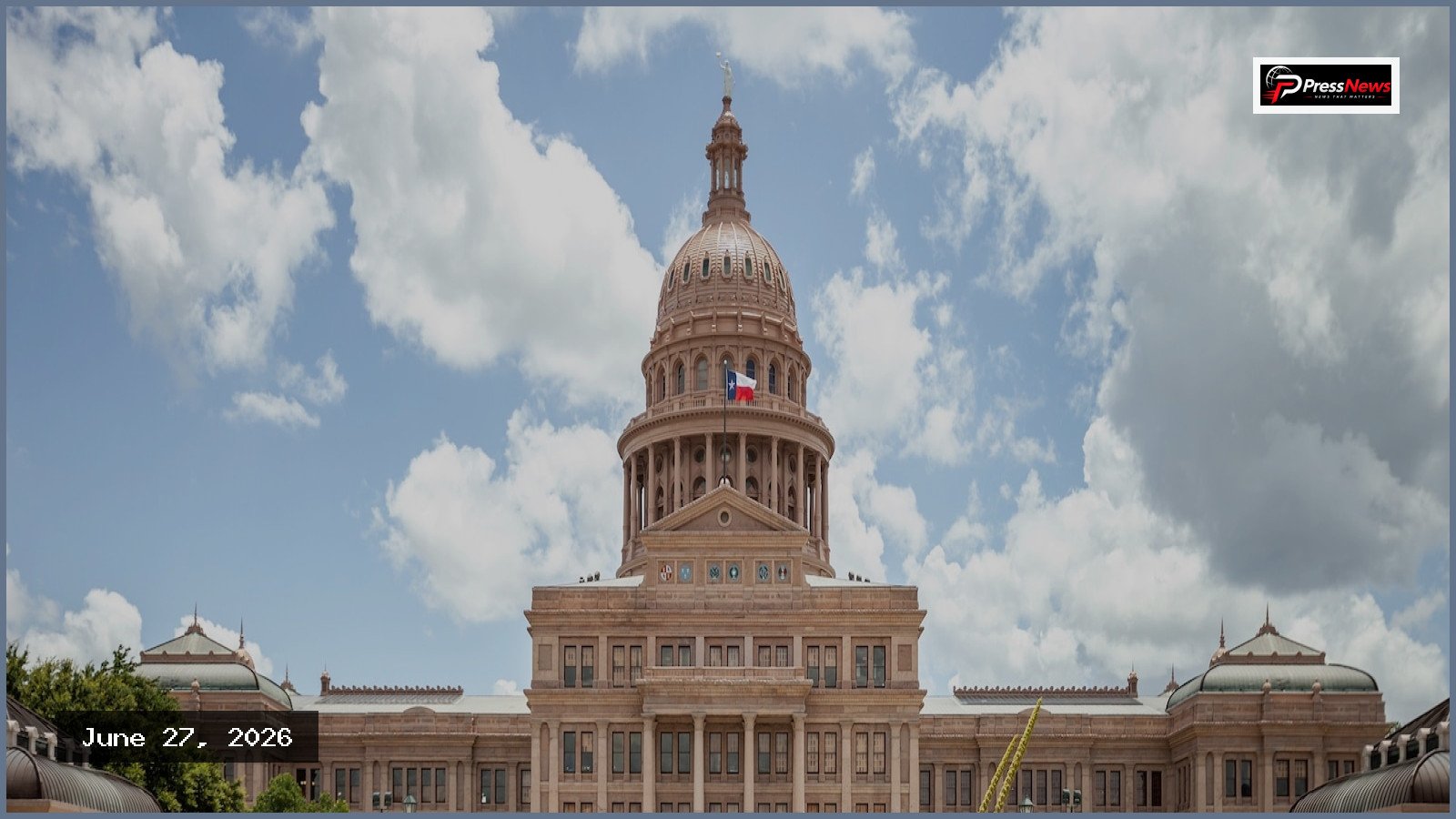
The Texas State Board of Education has reached a decision to incorporate Bible passages into the mandatory reading requirements for public schools. On Friday, the Republican-led board approved the new curriculum list with a vote of 9-5-1. This updated literature program includes specific excerpts, such as portions of the Book of Exodus for fifth graders and The Shepherd’s Psalm for seventh graders.
Discussions regarding this new requirement took place throughout Friday morning, focusing on the timeline for implementation and concerns regarding the autonomy of teachers to select their own instructional materials. Alongside the religious texts, the approved list features a variety of authors including E.B. White, Shel Silverstein, Aesop, Kurt Vonnegut, and Elie Wiesel. The mandate will affect more than 5 million public school students throughout the state.
Julie Pickren, a Republican member of the board, noted prior to the vote that the readings are intended to provide students with essential perspective on the moral and philosophical traditions that influenced Western civilization. She stated that by interacting with primary source documents, speeches, and foundational texts, students can better analyze ideas and grasp the principles that helped shape the United States and Texas.
However, the board faced opposition from member Evelyn Brooks, who argued that the mandate restricts teacher autonomy and questioned its constitutionality. Brooks emphasized that educators have historically been responsible for choosing their own books and expressed concern that removing this control is an overreach. She maintained that providing a forced list of reading material is not in the best interest of maintaining teacher professional discretion.
Antero Garcia, a professor at Stanford University’s graduate school of education and a former high school teacher, described this mandate as a significant transformation in the educational trajectory for children in Texas. According to Garcia, this is a unique state-level action that could potentially influence other states to adopt similar curriculum requirements in the future.
While Garcia acknowledged that the Bible holds literary value and is often studied in secular contexts, he expressed concern that the list excludes other religious texts. He suggested that focusing exclusively on the Bible in a mandated setting over 13 years of schooling could potentially steer students toward Christian dispositions. ABC News has sought comment from the Texas State Board of Education regarding the board’s decision.


