When asked about his old colleague, Andy Burnham, a long-time Labour contact jokingly inquired if the Greater Manchester mayor was truly the party’s “saviour,” a topic currently dominating discussions as Burnham prepares to enter No 10 in less than a month. Only 10 days ago, Burnham secured an impressive win in a Makerfield by-election, an event one former minister described as “Russian roulette,” as he defied Labour’s general lack of popularity to claim victory. Now, the question remains whether he can handle the much greater task of leading the country.
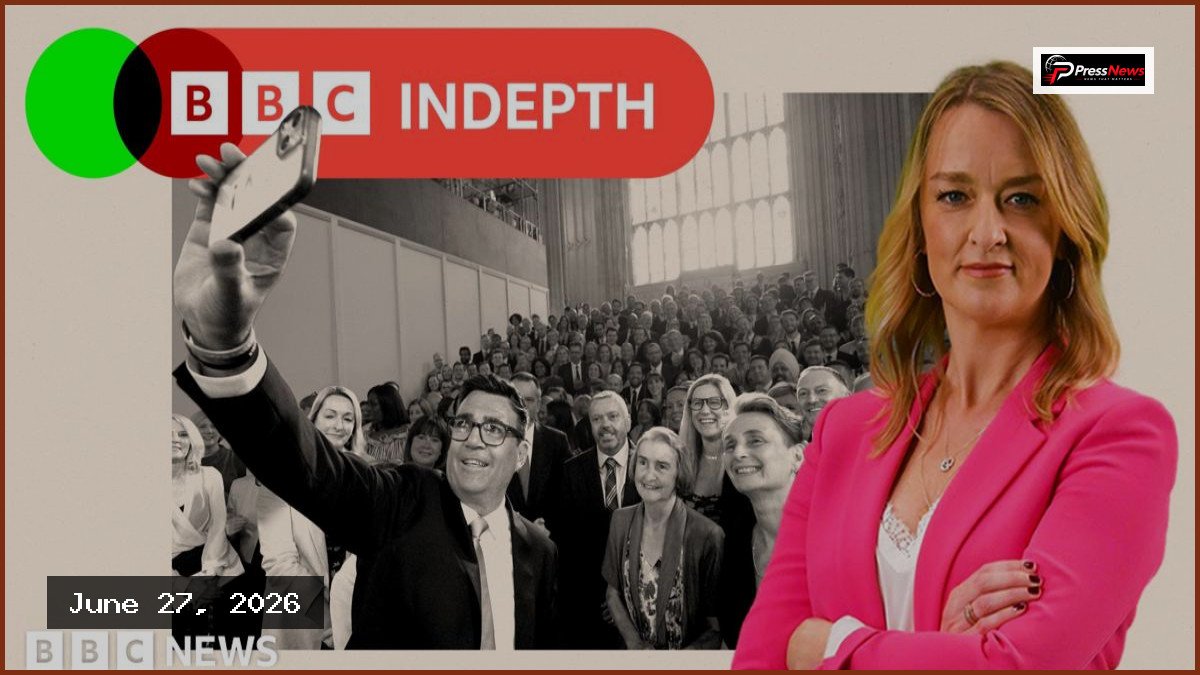
Labour MPs are eager for the project to succeed, evidenced by how they packed into Westminster Hall to surround him on his first day back in Parliament. One MP remarked that there has been a “strange atmosphere all week, with people crawling over each other to try to get to him,” while another government member noted that ministers are “sweating their connections to try to get an audience.” The optimism stems from the belief that Burnham can face down Nigel Farage, help the party retain seats, and preserve a decent portion of its epic 2024 majority. He is recognized as a rare popular politician, though some peers argue he must evolve from being “cock of the north” to a “national champion.” Some critics even suggest that emphasizing his northern identity risks alienating voters in cities like Newcastle, Leeds, or Scotland.
Despite his popularity, Burnham faces scrutiny regarding his depth and whether he can shake the perception of being a “lightweight.” Supporters, however, praise his “social dexterity” and ability to make voters feel genuinely heard. An ally recalled how Burnham would often prioritize conversations with everyday people about bus services over official small talk with ambassadors. Colleagues describe him as an “affable” and “warm” person whose political style is not contrived. Yet, some public feedback, such as comments on his Facebook page, questions whether being a relatable person is the correct metric for choosing a prime minister. There is also nervous speculation about his policy development and whether he can handle the “brutal” scrutiny of the top job, with one senior figure warning that his charm will not sustain him beyond a few weeks if he cannot manage tough governance.
The appointment of his old flatmate and former New Labour minister James Purnell as chief of staff is seen by many as a positive, pragmatic signal. It suggests a willingness to make decisions that might irritate the party’s left wing, a necessary trait for a prime minister who must often make unpopular choices. While some colleagues worry about his emotional nature, others recall his tenure in the late noughties, noting that he is far from a pushover. He notably “went to war” with hostile permanent secretaries to prevent them from hoarding funds for the incoming Tory government, an effort his allies call astonishing.
Burnham’s third attempt at national leadership follows failed bids in 2010 and 2015. His current platform centers on making the country more equal and supporting neglected communities like Makerfield. While some critics feel his policy specifics remain a “blur,” the ongoing debate over his potential chancellor—ranging from Ed Miliband and Wes Streeting to Shabana Mahmood or Pat McFadden—serves as a proxy for his future direction. Burnham is expected to provide more detail in an upcoming speech on the economy. His record in Manchester, including advancements in public transport and the MBacc qualification, shows a clear track record, and he remains intent on finishing his work on social care reform in England.
In a book co-authored with Liverpool Mayor Steve Rotherham, Burnham outlined a 10-point plan for long-term radical reform, covering issues from a written constitution and proportional representation to the “Hillsborough Law.” While this represents his long-term vision, his immediate focus must address massive challenges including national debt, demographic shifts, and systemic disillusionment. He must also navigate international crises, including how he would deal with figures like Donald Trump. Following the angst of 2026, some within the party are rallying behind him, accepting that while he may not be a “messiah,” his ambition and talent offer Labour its best opportunity to recover and govern effectively after 30 years of political experience.